Published by Quora…
Follow Oct 29 2026
Why aren't supercavitating torpedoes the standard in the navy?
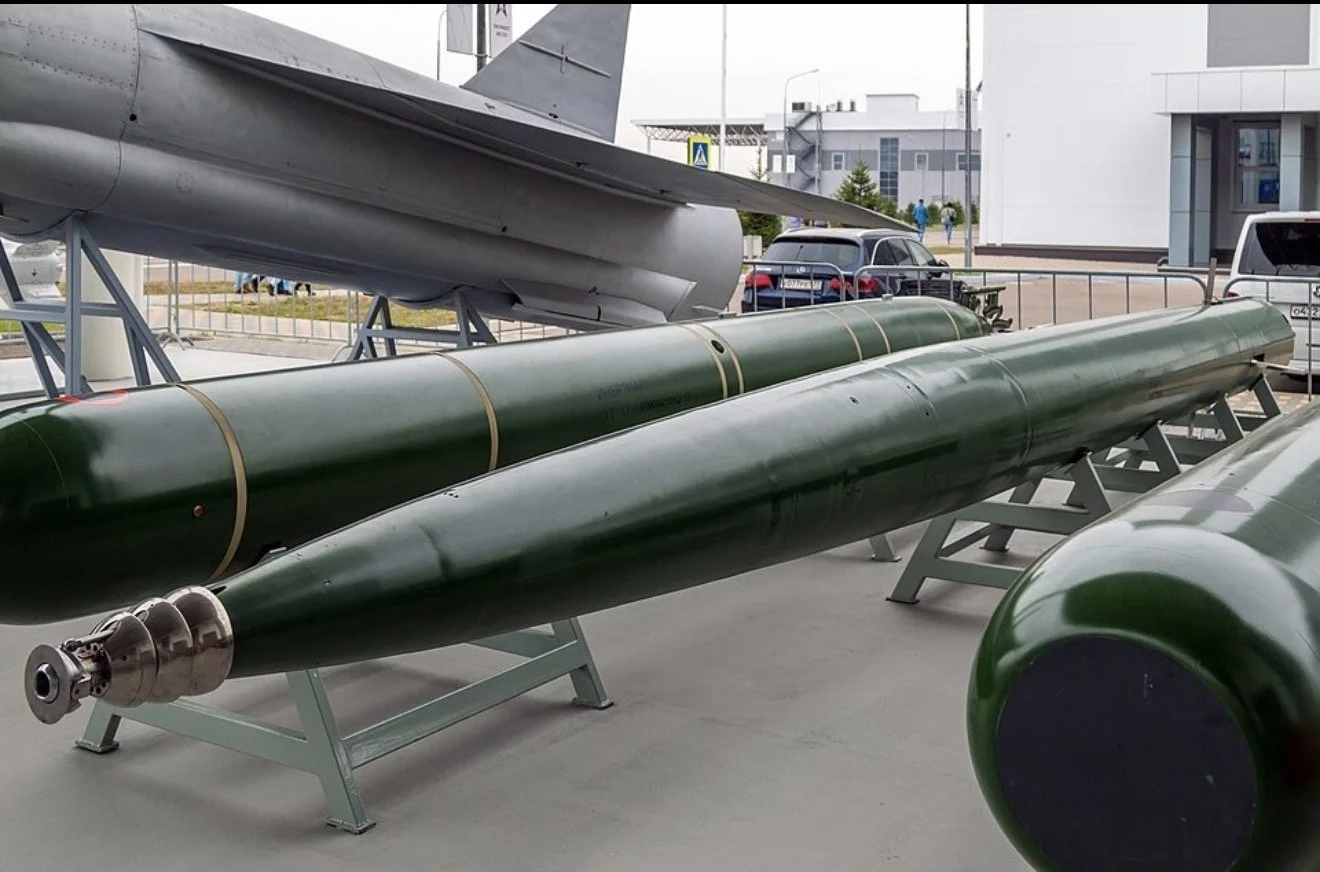
The Russian VA-111 Shkval travels underwater at 230 mph—four times faster than standard American torpedoes. Yet most navies refuse to use it, considering its launch a suicide tactic.
Supercavitating torpedoes achieve their speeds by diverting hot exhaust gases from a solid-fuel rocket engine out of their nose. This creates a pocket of gas—a cavitation bubble—that completely envelops the weapon. Because the torpedo is flying through a self-generated pocket of gas rather than dragging through dense water, friction drops to almost zero.
However, the physics that make supercavitation possible also create fatal tactical flaws:
They are deafeningly loud. A submarine's only real defense is stealth. Launching a rocket-powered supercavitating torpedo creates an acoustic signature so loud it instantly broadcasts the submarine's exact location to every hostile ship and sub in the ocean. The launch guarantees immediate counterfire.
They are virtually blind. Conventional torpedoes actively hunt evading targets using onboard sonar and trailing guidance wires connected to the launch submarine. A supercavitating weapon is deaf. The gas bubble that allows it to travel so fast also blocks sound waves, rendering acoustic sensors useless. As a result, early supercavitating torpedoes were unguided underwater rockets that could only travel in a straight line.
They cannot maneuver. To maintain speed, the torpedo must stay entirely within its protective gas bubble. If it attempts a sharp turn, the rear of the weapon breaches the bubble and strikes the dense surrounding water at over 200 mph, tearing the torpedo apart. Combined with a lack of guidance, this means a target ship can simply change course to dodge the attack if it detects the launch early enough.
They have strict depth limits. The structural integrity of the gas bubble depends on ambient water pressure. If the torpedo dives too deep, the crushing pressure collapses the cavitation bubble, immediately halting its high-speed run.
Modern navies overwhelmingly prefer weapons like the American Mark 48 or British Spearfish. While they top out around 65 miles per hour, they are highly maneuverable, packed with acoustic sensors, and quiet enough to let the firing submarine slip away undetected while the torpedo hunts down its target.
Below: A Russian VA-111 Shkval-E supercavitating torpedo displayed at an arms exhibition in 2022. Photo by Mike1979 Russia is licensed under CC BY-SA 4.0.